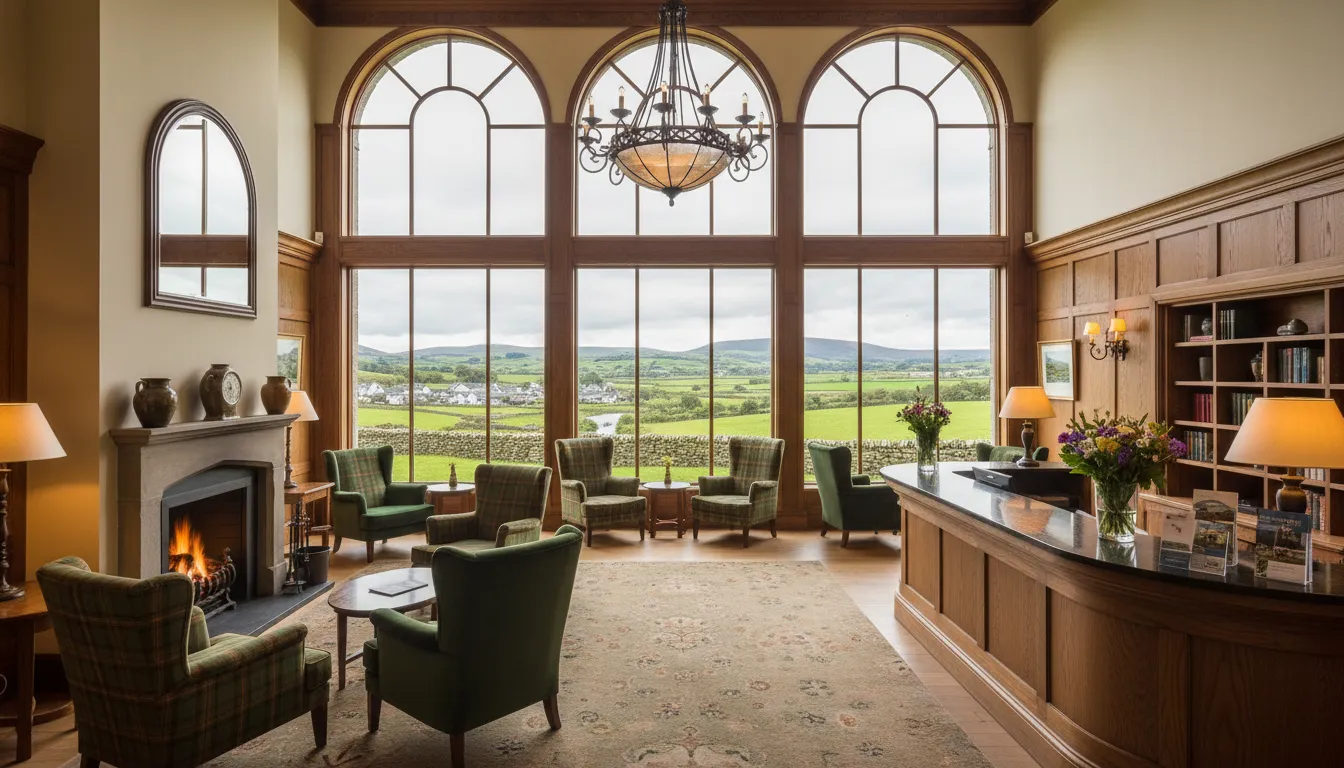
Tourism and hospitality businesses in Ireland depend on digital presence more than almost any other sector. Visitors research and book online — often months before arrival. Reviews influence decisions at every stage. Seasonal patterns require strategic marketing planned well in advance. And in 2026, AI-driven discovery is creating new channels that forward-thinking tourism businesses must address.
This comprehensive guide covers digital marketing strategies specifically for Irish tourism and hospitality businesses — from boutique B&Bs to luxury hotels, adventure operators to fine dining restaurants, heritage attractions to tour companies.
We have worked extensively with tourism and hospitality businesses across Ireland's most visitor-rich regions. We understand the specific challenges of seasonal demand, OTA dependency, visual storytelling, and the exceptional service standards that Irish hospitality is known for.
Experience in Tourism & Hospitality
Why Digital Marketing Matters for Irish Tourism
The vast majority of visitors to Ireland research their trips online before booking. They search for "hotels Killarney," "things to do Dublin," "restaurants Galway," "B&B Wild Atlantic Way." Businesses invisible in these searches lose bookings to competitors who appear prominently.
Tourism is Ireland's largest employer and a primary economic driver. Before the Covid pandemic, tourism contributed over €5 billion annually to the Irish economy. Today, with international travel accelerating and domestic holiday-taking increasing, that opportunity has returned. Tourism and hospitality businesses must be visible when and where potential guests search.
Online reviews heavily influence decisions. A property with poor reviews or no reviews struggles regardless of actual quality. Conversely, businesses with strong review profiles can command premium prices and enjoy higher occupancy. Studies show 92% of travellers now read reviews before booking a hotel or accommodation. A single negative review without a professional response can influence dozens of booking decisions.
Seasonality requires strategic thinking. Building visibility before peak season captures bookings when decisions are made. Marketing in January influences summer bookings. Autumn campaigns target Christmas and New Year visitors. Businesses that only market during quiet periods are already too late. The businesses winning year-round are those planning campaigns 6-9 months in advance.
The 2026 Shift: AI-Driven Tourism Discovery
Something significant is changing in how visitors discover tourism experiences. When someone asks ChatGPT "Where should I stay on the Ring of Kerry?" or asks Perplexity "Best restaurants in Galway for seafood" — AI systems generate recommendations based on authoritative online content.
This creates a new discovery channel alongside traditional search. Tourism businesses with comprehensive, well-structured content are more likely to be mentioned in AI recommendations. Those without strong digital presence become invisible in this emerging channel. Unlike traditional search results where you can appear on page two or three, AI recommendations are typically very selective — the AI mentions perhaps three to five options. Being mentioned by AI is becoming a critical competitive advantage.
AI Discovery Strategy
Businesses with structured, authoritative content about their offerings, location, and guest experiences are significantly more likely to be recommended by AI systems. Optimising for AI visibility requires clear, factual content that answers visitor questions comprehensively — the same content that serves your human visitors.
Key Digital Channels for Tourism & Hospitality
1. Search Engine Optimisation (SEO)
SEO drives the largest volume of qualified tourism traffic. Visitors searching for specific accommodation, attractions, or experiences represent genuine demand. They're not browsing — they're actively looking to spend money.
Tourism SEO targets high-intent search queries: "luxury hotel Dublin," "family holidays Cork," "adventure activities Galway," "Michelin restaurant Killarney," "B&B Wild Atlantic Way," "glamping Ireland near Dublin." These searchers are planners. They're making decisions based on research. Ranking for these keywords means capturing demand from people actively planning their trips.
2. Google Business Profile Optimisation
A complete, optimised Google Business Profile is essential. This drives visibility in Google Maps, which is where visitors search when checking in: "restaurants near me," "hotels nearby," "things to do." Professional photos, accurate information, regular posts, and active review management directly influence visibility and bookings. For hospitality, Google Business Profile is often the first impression potential guests have.
3. Content Marketing & Destination Guides
Create content that answers visitor questions before they book. Comprehensive destination guides, activity recommendations, restaurant reviews, walking routes, seasonal guides, local hidden gems — this content captures searches and positions you as the expert on your area. A hotel in Galway publishing a 3,000-word guide to "Best Restaurants in Galway" attracts visitors researching food options, establishes authority, and creates touchpoints that mention your hotel. Content marketing builds authority that pays dividends for months and years.
4. Video Marketing
Video has become essential for tourism marketing. Virtual tours of rooms, facility walkthroughs, guest testimonials, local area videos, experience showcases — video content performs exceptionally well in tourism. Visitors want to see what they're booking before committing. Professional video of your property, surroundings, and experiences builds confidence and drives bookings. YouTube and video content within your website significantly improve engagement and conversion.
5. Online Travel Agencies (OTAs)
Booking.com, Expedia, Airbnb, and TripAdvisor provide visibility and bookings but take substantial commissions — typically 15–25% of booking value. Whilst expensive, OTAs provide genuine discovery value. They're where many visitors start searching. The goal isn't avoiding OTAs; it's optimising the mix whilst building direct booking capability.
6. Social Media for Tourism
Instagram and Facebook drive significant traffic for tourism businesses. Beautiful imagery of your property, surroundings, and guest experiences builds emotional connection. Instagram's visual nature is perfect for showcasing hospitality. User-generated content (guests sharing their experiences) provides authentic social proof that marketing alone cannot create. Regular posting of property highlights, local recommendations, and guest stories maintains visibility in followers' feeds and encourages organic sharing.
Website Excellence for Tourism
Tourism websites must inspire as well as inform. Visitors are buying experiences, not just rooms or meals. Your website must communicate the feeling of staying with you, the views from your windows, the quality of your food, the warmth of your welcome.
Visual Storytelling
High-quality imagery isn't optional for tourism — it's essential. Professional photography showcasing your property, rooms, facilities, food, location, and surroundings creates emotional connection before visitors ever arrive. Dark, amateur photos actively damage bookings. Budget for professional photography of your property's best angles, your location's attractions, and the experiences you offer. Update photos seasonally (spring flowers look different from autumn gold). Professional photography typically pays for itself within weeks through improved conversion rates.
Booking Functionality
Whether you use direct booking engines, integration with channel managers, or clear enquiry forms, the path from interest to booking must be frictionless. Every unnecessary click costs you conversions. Most successful tourism businesses balance direct bookings with OTA presence strategically. Direct bookings avoid commissions; OTAs provide discovery. The goal is a balanced portfolio where both channels contribute.
Local Area Content
Visitors want to know what's nearby. Content about your area — things to do, places to eat, walking routes, attractions, hidden gems — adds genuine value and captures related searches. A comprehensive local guide positions you as the expert on your area, not just another accommodation option. This content keeps visitors on your website longer, improves search rankings, and provides reasons for them to return to your site after booking.
Mobile Optimisation
68% of all accommodation searches begin on mobile devices. Your tourism website must work flawlessly on phones and tablets. Slow mobile sites lose bookings. Booking forms that don't work on mobile result in abandoned bookings. Galleries that don't display well on phones fail to inspire. Every element of your tourism website must be mobile-first in design and functionality.
Managing Online Travel Agencies Strategically
OTA commissions — 15–25% of each booking — significantly impact revenue. A €100 room booking costs €15–€25 in OTA commission. Over a year, for properties with hundreds of bookings, OTA costs are substantial. Yet OTAs provide visibility to millions of travellers who start their searches on these platforms.
The solution is strategic balance: maintain OTA presence for discovery whilst systematically building direct bookings. A property might start at 80% OTA / 20% direct (typical for new properties without visibility). Over time, with SEO, content, social media, and email marketing, this can shift to 50% OTA / 50% direct, or even 40% / 60%. Every booking moved to direct saves your property thousands of euros annually.
Direct Booking Economics
Each direct booking saves 15–25% versus OTA commissions. A property with 300 annual bookings at €150 average generates €6,750–€11,250 in additional revenue by shifting to just 50% direct bookings. This investment pays for comprehensive SEO and content marketing within months.
Booking Engine Integration and Direct Booking Strategy
Direct booking capability is essential for tourism businesses serious about reducing OTA dependency. Modern booking engines integrate seamlessly with your website, channel managers, and payment gateways. Visitors arriving via SEO, content, or social media should find booking your property as easy as booking through Booking.com.
Key considerations: Ensure your booking widget displays real-time availability, supports multiple payment methods, and works flawlessly on mobile devices. Integration with channel managers prevents overbooking across OTAs and direct channels. Guest follow-up emails after booking create opportunities for upselling experiences, activities, or additional services. Building email lists from direct bookings creates a valuable marketing asset for repeat bookings and season-ahead promotions.
Consider offering small incentives for direct booking: a 3–5% discount, complimentary welcome drink, or priority room upgrade. This encourages guests to book directly next time. Over time, repeat guests reduce acquisition costs and improve revenue predictability. Guest capture strategies — encouraging follow-up for reviews, future bookings, and local recommendations — turn one-time visitors into long-term revenue streams.
Payment Gateway Best Practice
Support multiple payment methods: credit cards (Visa, Mastercard), digital wallets (Apple Pay, Google Pay), and bank transfers for corporate bookings. Abandoned cart recovery emails recover 15–20% of nearly-completed bookings. Transparent pricing (including all fees upfront) reduces booking form abandonment and improves guest satisfaction.
Seasonal Content Strategy for Irish Tourism
Tourism demand follows distinct seasonal patterns. Irish tourism peaks during school holidays and good weather, with distinct seasons for different visitor motivations. A comprehensive seasonal content strategy ensures you're visible when visitors search for your area.
Content Calendar Approach: Plan your content 12 months in advance. January-February: winter escapes, New Year retreats, indoor attractions, spa content. March-April: Easter holidays, spring breaks, garden visits, spring walks, bank holidays. May-June: summer holidays starting, music festivals, outdoor activities, long days. July-August: peak season content (beach days, outdoor dining, family activities), events guide. September-October: autumn colours, quiet season benefits, back-to-school holidays, harvest festivals. November-December: Christmas markets, New Year escapes, cosy weekend breaks, festive experiences.
Content should address distinct visitor motivations for each season. Summer attracts beach seekers and outdoor enthusiasts; autumn attracts colour-seekers and quiet-time visitors; Christmas attracts family groups and couples seeking festive breaks. Creating destination guides, activity recommendations, and event highlights for each season ensures your content reaches visitors during their planning phase — typically 8–12 weeks before travel.
Video production tied to seasons performs well: summer sunshine vs autumn colours vs winter Christmas markets. Blog post updates (refreshing previous year's guides) show search engines your content is current. Email campaigns timed to seasonal planning windows ("Plan your summer holiday now", "Book your autumn escape") drive bookings during high-intent planning periods.
Seasonal Planning Critical Timeline
Content must be live 8–12 weeks before the season it targets. Summer content should be published by April; autumn content by July; Christmas content by September. Waiting until December to publish Christmas content means missing the peak booking window (August-September). Early planning ensures your content ranks when visitors are actively searching.
Google Business Profile for Hotels and Attractions
Google Business Profile is more important than many tourism businesses realise. It's where visitors search when making immediate decisions: finding your property on Google Maps, checking your hours, viewing your photos, reading reviews, and making contact. An optimised profile can be the difference between booking and looking at competitors.
Photo Strategy: Regular, high-quality photos in your Google Business Profile attract visitors. Different rooms, facilities, dining areas, outdoor spaces, and guest experiences. Google rewards profiles with recent, professional photos — update monthly. Respond to visitor photos in your Google Business Profile; this engagement signals an active, guest-focused business.
Review Management: Encourage guests to leave Google reviews immediately after checkout via email or QR code. Respond to all reviews professionally. Thank positive reviewers; address concerns in negative reviews with specific solutions offered privately. Google's algorithm favours active, engaged business profiles. Consistent, thoughtful review responses significantly improve your ranking in local search.
Google Posts (Updates): Use Google Posts to share time-sensitive information: special offers, seasonal promotions, events, new room types, or facility updates. Posts appear in Google search results and Google Maps, giving followers reasons to stay engaged with your profile. Regular posting signals an active business and keeps your profile prominent.
Attributes and Information Accuracy: Verify all information is current and accurate. Incorrect hours lose bookings. Missing information frustrates visitors. Enable booking directly through Google (Google Hotel Booking) if you're a hotel — this captures bookings from Google Maps and search directly.
AI and Voice Search for Tourism Discovery
Voice search is growing rapidly in tourism planning. Visitors ask Alexa, Siri, and Google Home questions like "Best hotels Cork" or "Things to do Dingle" whilst commuting or researching casually. AI assistants like ChatGPT and Perplexity are increasingly used for travel inspiration and recommendations.
Voice search optimisation requires conversational, natural language content. Your FAQs should answer questions as people speak them: "Where is the nearest beach?" rather than "Beach proximity options." Long-form content that comprehensively answers questions ranks better for voice search. Local SEO with complete, accurate information (your address, phone number, hours) is critical — voice search results prioritise information from authoritative sources like Google Business Profile.
AI Visibility strategy: Ensure your business information is structured clearly. Use schema markup (structured data) so search engines and AI assistants understand your services, location, and guest experiences. When someone asks ChatGPT "Recommend a luxury hotel in Galway," comprehensive, well-structured content about your property increases the likelihood you'll be mentioned. Create content answering specific questions AI systems are asked: "What makes Irish hospitality unique?" "Best activities for rainy Irish days?" "Most romantic restaurants Ireland?"
Content Strategy for Tourism: The Seasonal Approach
Tourism demand is seasonal. March to May brings Easter holidays and spring breaks. June to August is peak summer. September and October target autumn colour seekers. November to January includes Christmas, New Year, and winter breaks.
Your content strategy must reflect these patterns. Publish spring-focused content (Easter activities, garden visits, walking weather) in January. Summer content (beach days, long evenings, festival guides) in March. Autumn content (colour tours, quieter times, cosy stays) in July. Winter content (Christmas markets, log fires, New Year escapes) in September. Publishing content 8-12 weeks before the season it targets ensures it has time to rank before visitors search.
Review Management for Tourism
Reviews directly influence booking decisions in tourism more than almost any other sector. Actively encourage satisfied guests to leave reviews whilst the experience is fresh. Respond to all reviews — positive and negative — professionally and promptly. Potential visitors read your responses as much as the reviews themselves.
A negative review with no response signals indifference. A negative review with a thoughtful, professional response signals a business that cares. Responding to negative reviews often improves their impact — showing potential guests that you take feedback seriously and address problems. Never argue with reviewers; acknowledge concerns and offer to resolve them privately. This approach transforms negative reviews into demonstrations of your service standards.
Photography and Video in Tourism Marketing
Professional photography is not a luxury in tourism marketing — it's a business necessity. Budget €800–€2,500 for a professional photographer to shoot your property, rooms, facilities, food, location, and surrounding area. This investment typically pays for itself within weeks through improved conversion rates and higher occupancy.
Video is equally important. A 60-second property walkthrough, a 90-second local area video, a 2-minute "day in the life" guest experience video — these perform exceptionally well on websites and social media. You don't need expensive production; smartphone video taken with good lighting and clear audio works well. The key is authenticity and showing, not telling.
Investment Levels for Tourism Marketing
| Service | Typical Investment | Best For |
|---|---|---|
| Tourism Website (B&B/Guesthouse) | €4,000–€8,000 | Properties needing professional online presence |
| Tourism Website (Hotel/Attraction) | €8,000–€20,000 | Larger properties with complex booking needs |
| Professional Property Photography | €800–€2,500 | High-impact content for website and OTAs |
| Monthly SEO + AI Optimisation | €800–€2,500/month | Building sustainable organic visibility |
| Content Marketing | €600–€1,500/month | Destination guides and authority content |
| Video Production | €1,500–€5,000 | Property tours, local guides, guest testimonials |
Frequently Asked Questions
How long before we see results from tourism SEO?
Tourism SEO typically shows meaningful improvements within 3–6 months. Given seasonal booking patterns, start SEO work at least 6 months before your key booking period. Work started in January will influence summer bookings; work started in June won't. For properties on the Wild Atlantic Way, this means starting in January for June-August peak season.
Should we reduce OTA dependency?
Reducing OTA commission costs is valuable, but OTAs provide genuine visibility. The goal is optimising the mix — maintaining OTA presence for discovery whilst building direct booking capability. For most tourism businesses, a 50/50 split is realistic; achieving 70% direct bookings requires significant marketing investment and time. Start by improving your website SEO, then build a content strategy, then invest in social media. As visibility grows, direct bookings naturally increase.
How important are professional photos for tourism?
Essential. In tourism, you're selling experiences and emotions. Dark, amateur photos actively damage bookings. Professional photography typically pays for itself within weeks through improved conversion rates. If you're filling 50-60% of rooms now, professional photos might push that to 70-80%. That increase is worth thousands of euros.
What's AI visibility and why does it matter for tourism?
AI assistants like ChatGPT and Perplexity increasingly answer travel planning questions with specific recommendations. Businesses mentioned in AI responses gain visibility independent of traditional search. We help tourism businesses structure content so AI systems can accurately reference them when visitors ask for recommendations in your area or niche. This is becoming a material competitive advantage as more travellers use AI for holiday planning.
How often should we post on social media?
Consistency matters more than frequency. Posting 3-4 times weekly and responding to comments generates better results than sporadic daily posting followed by long silences. High-season (June-August) warrants more frequent posting; low-season (December-February) can be less frequent. Use social media to share real moments: guests enjoying breakfast, local recommendations, seasonal highlights, behind-the-scenes team moments. Authentic content performs better than overly polished marketing.
Should hotels and restaurants hire a social media manager?
For larger properties and restaurants, yes — ideally someone who understands hospitality. Social media requires consistent attention, responsive commenting, crisis management, and strategic planning. A part-time social media manager (10-15 hours weekly) costs €600–€1,200 monthly and typically generates enough additional bookings to justify the expense. For smaller properties, starting in-house whilst learning, then outsourcing as volume increases, makes sense.
What's the best email marketing strategy for tourism?
Email is powerful for repeat bookings and returning guests. Capture email addresses during booking (with opt-in consent). Send quarterly newsletters with seasonal recommendations, local event guides, special offers. Target previous guests 6 months before their previous visit month with early-booking incentives. Email to past guests is lower-cost than acquiring new guests — existing relationships produce bookings more efficiently than cold marketing.
Related Blog Resources
Hotel & Accommodation Websites | Restaurant Websites | Local SEO Guide | Google Business Profile | Video Production | Website Cost Guide | SEO for Dublin
Ready to Discuss Your Project?
Get in touch to talk about your website, SEO, or digital marketing needs.
Get in Touch →Written by
Founder of Web Design Ireland. Helping Irish businesses make smart website investments with honest, practical advice.